

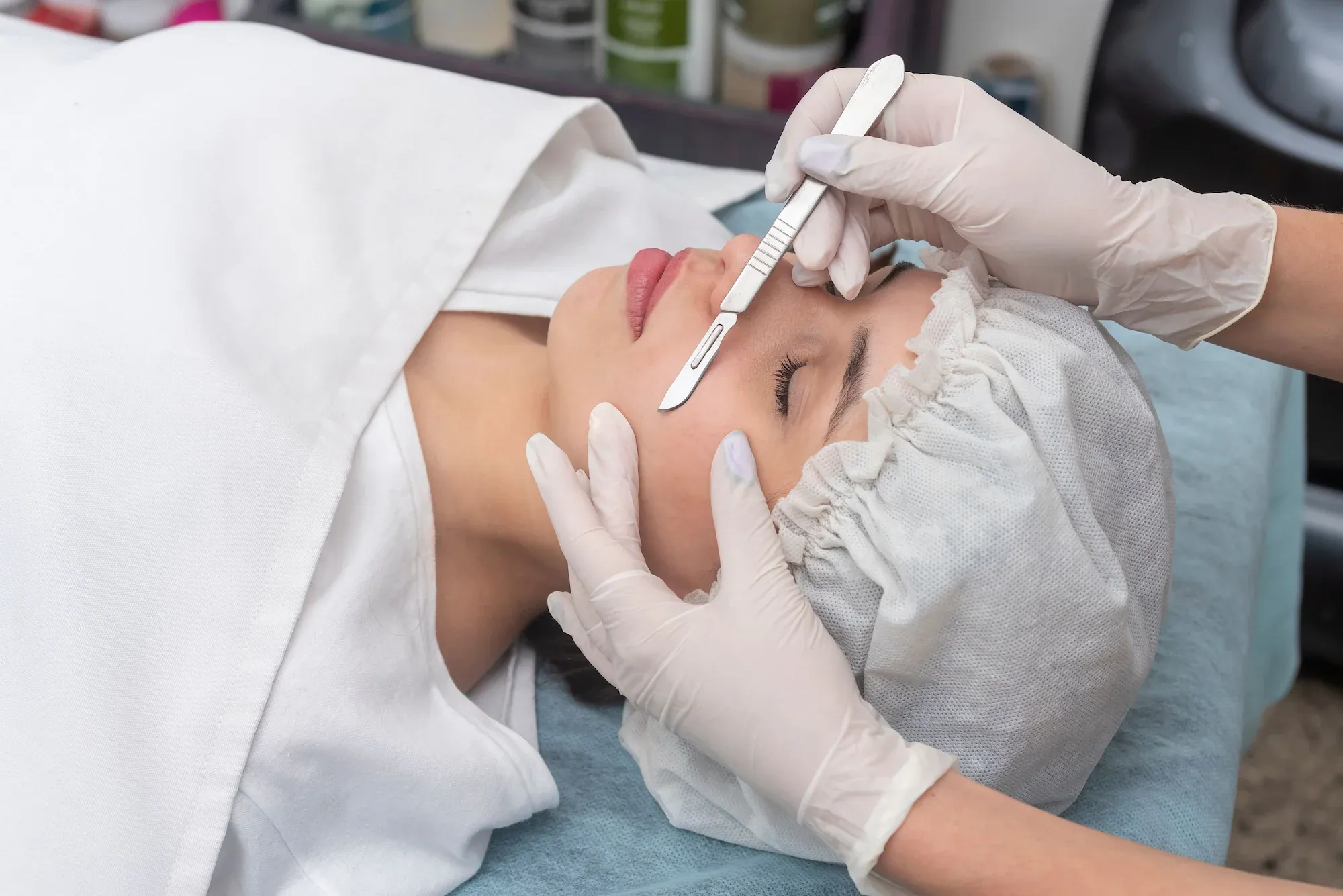
Dermaplaning in Fargo, ND: Gentle Exfoliation for Smoother, Brighter Skin
Dr. Kristine Martens, DO is a board-certified family physician and Medical Director of Resurgent Health, practicing in Fargo since 2013. Our aesthetics services are delivered under her physician oversight so you get honest guidance about what dermaplaning can and cannot do for your skin.
Table of Contents
Why Dermaplaning Works So Well for Dull, Textured Skin
From uneven surface to visible radiance
The outermost layer of your skin, the stratum corneum, is made of dead keratinized cells that shed on a roughly 28-day cycle. When that cycle slows with age, sun exposure, dry Fargo winters, or hormonal shifts, dead cells and fine vellus hair build up and scatter light. That is what dull, rough, or uneven skin actually looks like on the surface. Serums sit on top instead of penetrating, foundation cakes into fine lines, and photos start to feel less flattering.
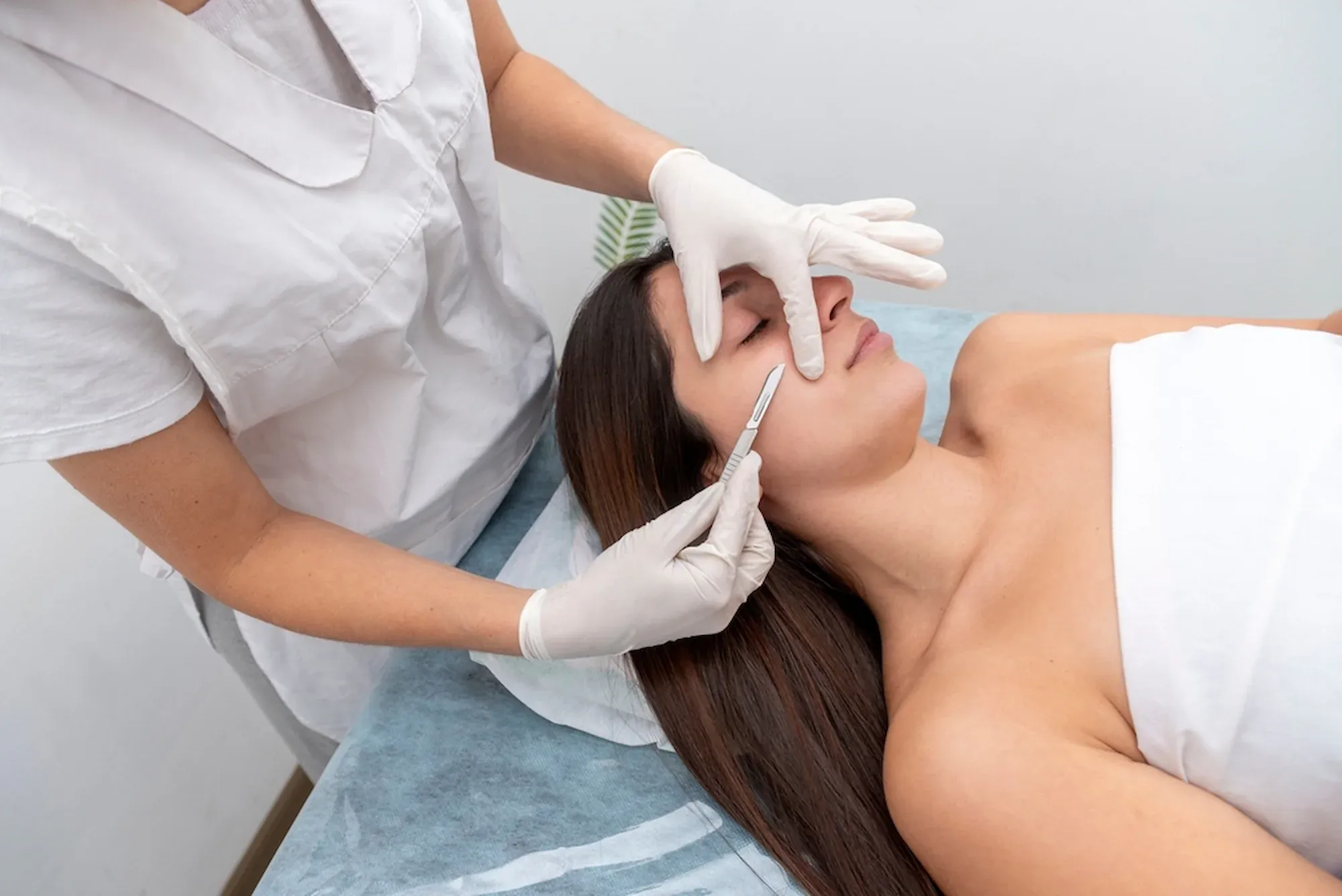
Dermaplaning solves this at the surface layer. Using a sterile, single-use surgical blade held at a shallow angle, a trained clinician gently scrapes away the dead cell layer along with the vellus hair. The skin underneath is fresh, more reflective, and ready to absorb what you apply next. Because we do not disrupt living tissue, there is no wound, no downtime, and no recovery. You walk out with visibly smoother skin the same day, and your existing routine (whether from our medical-grade skincare shelf or your own products) works noticeably better.
What Is Dermaplaning And How It Works
Dermaplaning is a manual physical exfoliation that uses a sterile, single-use surgical blade held at about a 45-degree angle to remove the outermost layer of dead skin cells and fine vellus hair from the face. Performed correctly it is a superficial treatment that does not cut, wound, or bleed, and the American Academy of Dermatology groups it with mechanical exfoliation methods like microdermabrasion.
The blade shears off flattened dead cells and vellus hair at the surface. Because that hair is genetically programmed to grow back at the same fine texture and light color, it does not return coarser or darker - a persistent myth disproven decades ago. What you gain is a smoother surface, better light reflection, and dramatically improved absorption of serums applied immediately after, which is why dermaplaning pairs so well with a hyaluronic acid or vitamin C step.
Treatment Timeline:
Session Length:
30 - 45 minutes (relaxing, no discomfort)
Results:
Immediate (smoother skin, instant glow)
Frequency:
Every 3 - 4 weeks (as vellus hair regrows)
Downtime:
None (makeup same day if desired)
What Dermaplaning Can Help With

Benefits of Dermaplaning at Resurgent Health
Non-invasive treatment removes dead skin cells and peach fuzz to improve skin texture, brighten the complexion, and create a flawless base for makeup
Instant
Skin feels visibly softer and looks brighter
Downtime
Return to work without recovery time
Peach Fuz
Creates a smoother canvas for makeup
Better Product Penetration
Skincare absorbs deeper after treatment.
Safe, Sterile Blade
Single-use surgical blade used only once
Dermaplaning vs Alternatives
Compare Your Options
| Treatment | Mechanism | Time | Results | Duration | Downtime | Best For |
|---|---|---|---|---|---|---|
| Dermaplaning (Resurgent Health) | Sterile surgical blade at shallow angle | 30-45 min | Immediate smoothness and glow | 3-4 weeks | None | Peach fuzz, dull skin, uneven texture, makeup prep |
| At-Home Razor | Handheld safety or dermaplaning razor | 5-10 min | Some hair removal, less even | 1-2 weeks | None | Quick hair removal only, not true exfoliation |
| Chemical Peel | Acid solution dissolves surface skin | 20-30 min | Visible brightening after peeling | 4-6 weeks | Peeling for 3-7 days | Sun damage, deeper tone concerns |
| Microdermabrasion | Fine crystals or diamond tip abrasion | 30-45 min | Smoother texture, mild glow | 2-4 weeks | Mild pinkness same day | Rough texture, clogged pores |
| Waxing | Warm wax rip-out of hair from follicle | 10-20 min | Longer hair removal | 3-4 weeks | Redness and possible irritation | Full hair removal, not exfoliation |
Who Is a Good Candidate for Dermaplaning?
Dermaplaning is one of the gentlest professional exfoliation options, which makes it suitable for a wide range of patients, including those with sensitive skin who cannot tolerate acids or retinoids. That said, it is a physical treatment on living skin, so a brief consultation before your first session ensures it is the right choice for your goals and skin condition. Guidance from the American Academy of Dermatology informs our candidacy screening.
Ideal Candidates for Dermaplaning
- Adults wanting smoother, brighter skin with no downtime
- Patients prepping for a wedding, photoshoot, or special event
- Anyone bothered by facial peach fuzz that traps makeup or oil
Who Should Wait or Avoid Dermaplaning
- Active cystic acne, cold sore, or open wound on the face
- History of keloid scarring, or recent isotretinoin use
- Active eczema, rosacea flare, or sunburned, peeled skin
Honest Expectations About Results
- Gives immediate smoothness and brightness, a refresh not a permanent change
- Results typically last three to four weeks as fine hair returns
- Hair grows back the same texture and color, not thicker or darker
If any of these apply, we will help you find a better-fitting service or a time to revisit dermaplaning safely. Our goal is always the right treatment for your skin, not a booked appointment.
Dermaplaning Treatment Overview
What a dermaplaning session looks like at Resurgent Health
Cleanse
Dry the Skin
Dermaplane Pass
Serum and SPF
Maintenance Schedule
Side Effects and Safety
Dermaplaning is considered one of the safest professional exfoliation methods when performed by a trained clinician with a sterile, single-use blade. Because we do not remove living tissue, the risk of serious side effects is very low. Most patients experience nothing more than a light glow.
Common and expected
mild pinkness for 1 to 4 hours, transient warmth or tingling in freshly exfoliated areas, and slightly increased skincare tingle when actives are applied that evening. These are signs the exfoliation worked and typically fade quickly with a gentle moisturizer and SPF.
Less common
small pinpoint nicks if the skin was not fully dry or if a patient moved during the pass, temporary tightness or dryness for a day, and occasional breakouts in patients who were already congested. A single well-performed session on healthy skin should not cause visible cuts.
What dermaplaning does NOT do
it does not cause vellus hair to grow back thicker, coarser, or darker. The American Academy of Dermatology and decades of published dermatology research (including a landmark 1970 investigation in the Journal of Investigative Dermatology) confirm that shaving or blading vellus hair has no effect on hair diameter, color, or density. The hair simply returns at its original fine texture. For general public guidance on skin safety, the National Institute of Arthritis and Musculoskeletal and Skin Diseases (NIH) is a helpful resource. Any new severe redness, blistering, or signs of infection after treatment should be reported to us promptly.
Cost of Dermaplaning in Fargo, ND
Transparent, cash-pay pricing
Resurgent Health is a Direct Primary Care clinic, so our aesthetics pricing is transparent and cash-pay, with no insurance billing or surprise fees. Dermaplaning is available to both DPC members and non-members across Fargo, Moorhead, and West Fargo.
Session Pricing
- Single Dermaplaning Session: $75 to $110, depending on whether a hydrating serum add-on is included
- Package of 3 Sessions: Discounted rate for patients committing to a monthly schedule
- DPC Member Rate: Preferred pricing for active membership patients, ask at your Meet and Greet
What Is Included
- Full skin assessment before your first session
- Sterile single-use surgical blade (never reused)
- Cleanse, dermaplane pass, hydrating serum, and broad-spectrum SPF
- Personalized 3 to 4 week rebooking plan
- Guidance on pairing with medical-grade skincare for cumulative results
Because insurance is not involved, you know the fee before you book. Add-ons such as skincare products are optional and clearly quoted at your visit.
Why Choose Resurgent Health for Dermaplaning in Fargo, ND
Resurgent Health is North Dakota's first Direct Primary Care clinic, medically directed by Dr. Kristine Martens, DO, board-certified in Family Medicine and practicing in Fargo since 2013. Dermaplaning is performed by a trained clinician under her physician oversight, so every skin plan is grounded in medical judgment.
Physician Oversight
Every aesthetic plan is reviewed by a Doctor of Osteopathic Medicine.
Sterile, Single-Use Blades
We use a fresh surgical blade for each patient and dispose of it after.
Honest, Never Salesy
We tell you what dermaplaning can and cannot do before you book.
Warm, Unhurried Visits
Small-practice feel with real time to answer questions in the room.
Minimal Downtime
Return to work, errands, or social plans immediately after your visit.
Smoother Makeup Application
Related Services in Fargo, ND
Aesthetic treatments that pair well with dermaplaning at Resurgent Health.
Microneedling
Automated microneedling with sterile single-use cartridges, delivered by our trained clinical team under physician oversight.
- Adults with atrophic acne scars they want to soften
- Patients bothered by fine lines, texture, or enlarged pores
- Skin with mild to moderate sun damage or dullness
Medical-Grade Skincare
Higher actives, physician-selected
- Adults ready to commit to a daily routine for at least 12 weeks
- Patients who feel their drugstore products have plateaued
- Anyone pairing home care with microneedling or dermaplaning
Emsculpt Neo Body Contouring
Non-invasive BTL Emsculpt Neo combining HIFEM muscle contractions with radiofrequency fat reduction.
- Adults with a BMI under 30 who are close to their goal weight
- Those wanting muscle definition or fat reduction beyond training alone
- Post-partum patients (3+ months, OB-cleared) or plateaued athletes
Dermaplaning FAQ
Will my facial hair grow back thicker or darker after dermaplaning?
No. This is one of the most common myths about dermaplaning. Vellus hair (the fine peach fuzz on the face) is genetically programmed to grow back at the same fine texture and light color. Research going back to a landmark 1970 dermatology study confirms shaving or blading has no effect on hair diameter, color, or density.
How is professional dermaplaning different from an at-home razor?
A trained clinician uses a sterile, single-use surgical blade held at a precise shallow angle to remove both dead skin cells and vellus hair evenly. An at-home razor may remove some hair but does not deliver the same true exfoliation or even result, and increases the risk of nicks and uneven passes.
How often should I get dermaplaning?
Every 3 to 4 weeks. That timing matches your natural skin cell turnover cycle, so each session catches a fresh batch of dead cells and vellus hair without over-exfoliating.
Does dermaplaning hurt?
No. Most patients describe it as a light scraping or feathering sensation, similar to shaving. There is no anesthetic needed and no downtime afterward.
Can I wear makeup afterward?
Yes. Many patients love how smoothly foundation and powder apply after dermaplaning. We do recommend waiting a few hours if your skin feels pink, and always wearing broad-spectrum SPF.
Can dermaplaning be combined with other treatments?
Yes. Dermaplaning pairs well with a hydrating serum, a light chemical peel on the same day, or as prep before microneedling on a future visit. We will build a plan that respects your skin barrier and avoids over-exfoliation.
Is dermaplaning safe if I have acne?
Dermaplaning can be safe for non-active acne-prone skin and may even help by clearing dead cell buildup. However, we avoid treating over active cystic breakouts or open lesions. Your clinician will assess before each session.
Contact Us Today
Send us a message for more information - DPC membership, a discovery call, or any other service you'd like to ask about.
References
- Pryor L, Gordon CR, Swanson EW, Reish RG, Horton-Beeman K, Cohen SR. Dermaplaning, topical oxygen, and photodynamic therapy: a systematic review of the literature. Aesthetic Plast Surg. 2011. PubMed (PMID: 21533984). Systematic review of dermaplaning as a facial rejuvenation modality, supporting its role in skin resurfacing.
- Tijani AO, Nunez E, Singh K, Khanna G, Puri A. Dermaplaning for Transdermal Drug Permeation Enhancement: A Qualitative and Quantitative Assessment. AAPS PharmSciTech. 2023. PubMed (PMID: 36725790). Demonstrates that dermaplaning significantly enhances topical product penetration through the stratum corneum.
- Lynfield YL, Macwilliams P. Shaving and hair growth. J Invest Dermatol. 1970. PubMed (PMID: 5459955). Classic controlled study confirming shaving has no effect on hair diameter, color, or growth rate, debunking the thicker-regrowth myth.
- Kubiak M, Rotsztejn H. Comparative study of 15% trichloroacetic acid peel combined with 70% glycolic acid and 35% trichloroacetic acid peel for the treatment of photodamaged facial skin in aging women. J Cosmet Dermatol. 2020. PubMed (PMID: 31603267). Context on chemical peel exfoliation as a comparison modality to dermaplaning for facial skin rejuvenation.