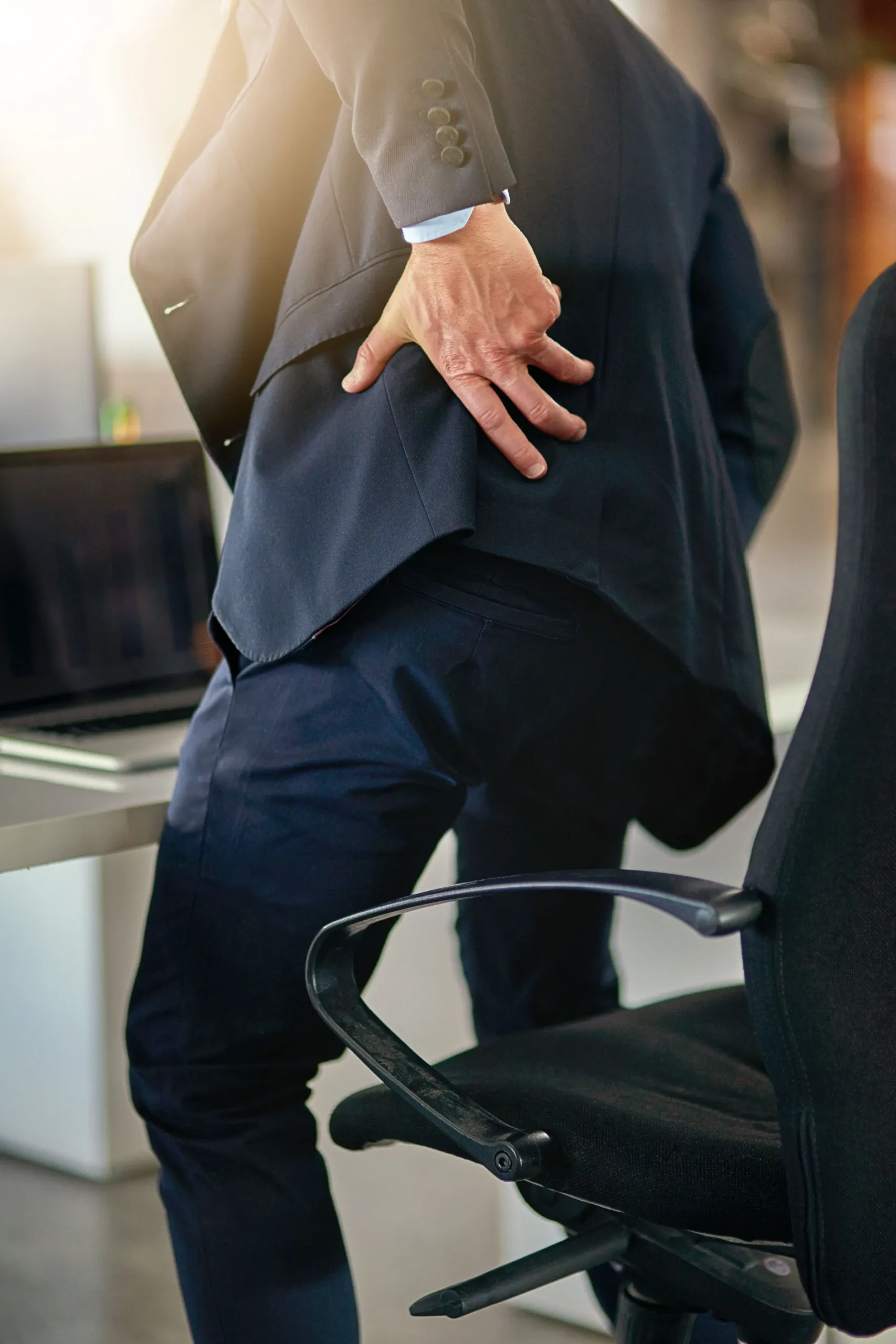



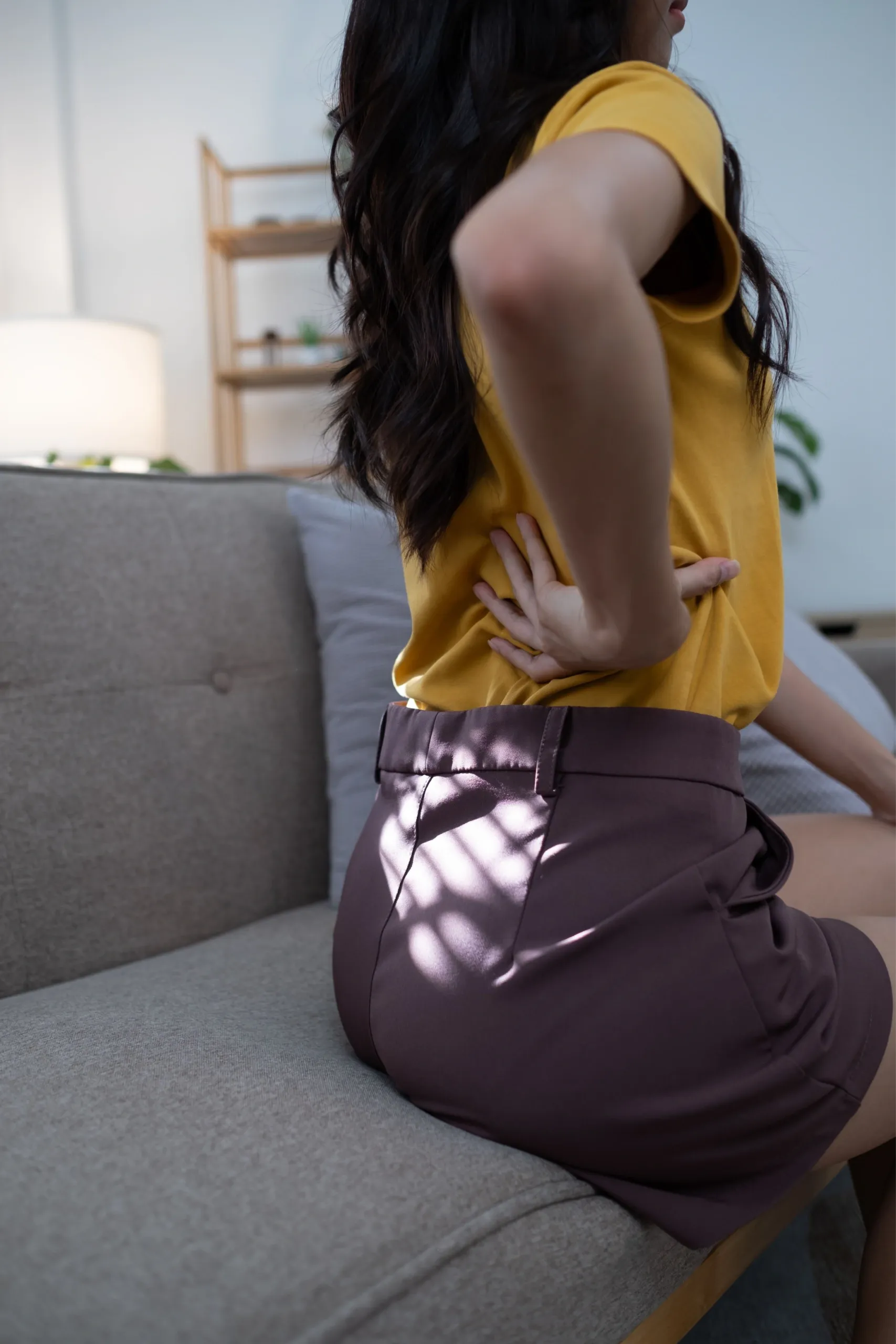
The lumbar spine carries the majority of your bodyweight and absorbs load with every step, lift, and twist. When muscles fatigue or move poorly, tissues strain, small facet joints get restricted, and intervertebral discs bear uneven pressure. Over time, this cascade can produce the aching, burning, or sharp catches most patients recognize as back pain.
According to the National Institute of Arthritis and Musculoskeletal and Skin Diseases, roughly 8 out of 10 adults will experience back pain at some point, and most episodes are mechanical rather than caused by serious pathology. The American College of Physicians clinical practice guideline recommends non-pharmacologic care, including spinal manipulation, as first-line treatment for acute and subacute low back pain.
The sacroiliac joints, deep core muscles (transversus abdominis and multifidus), and thoracolumbar fascia all work together to stabilize the spine. When any part of that system underperforms, other structures compensate. Dr. Kristine Martens uses muscle energy technique and myofascial release to restore motion and release restrictions that keep the pain cycle going.