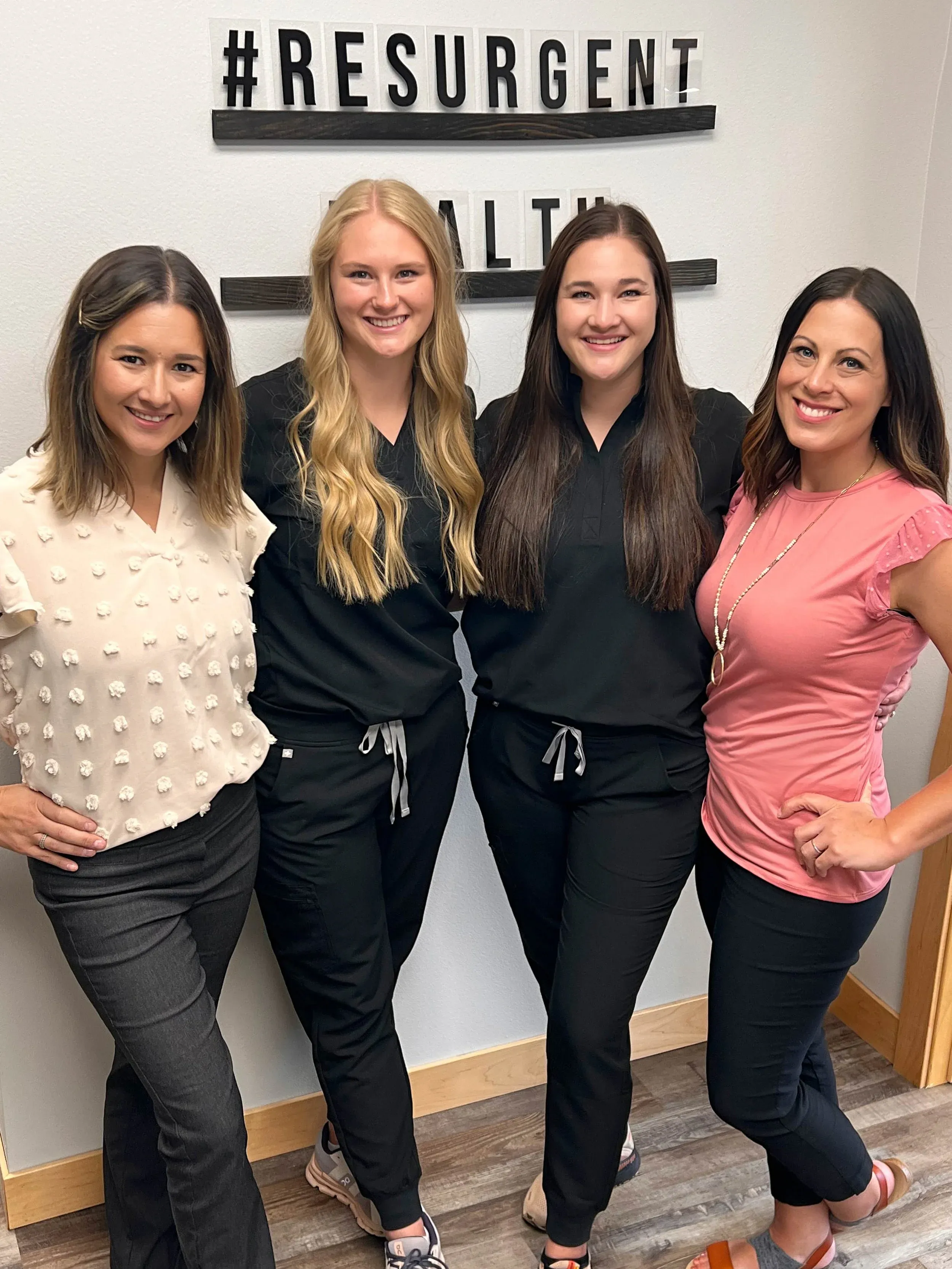

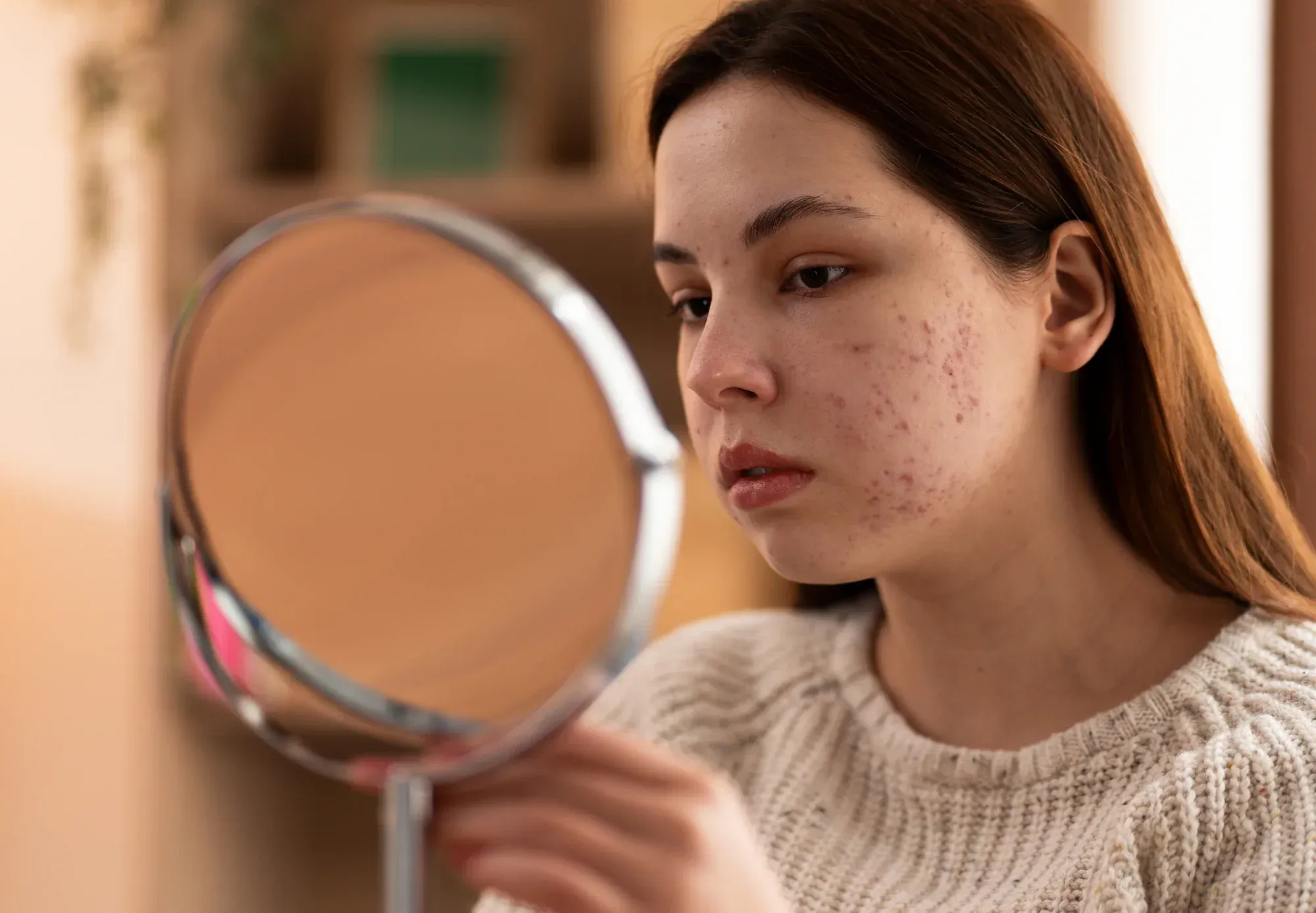
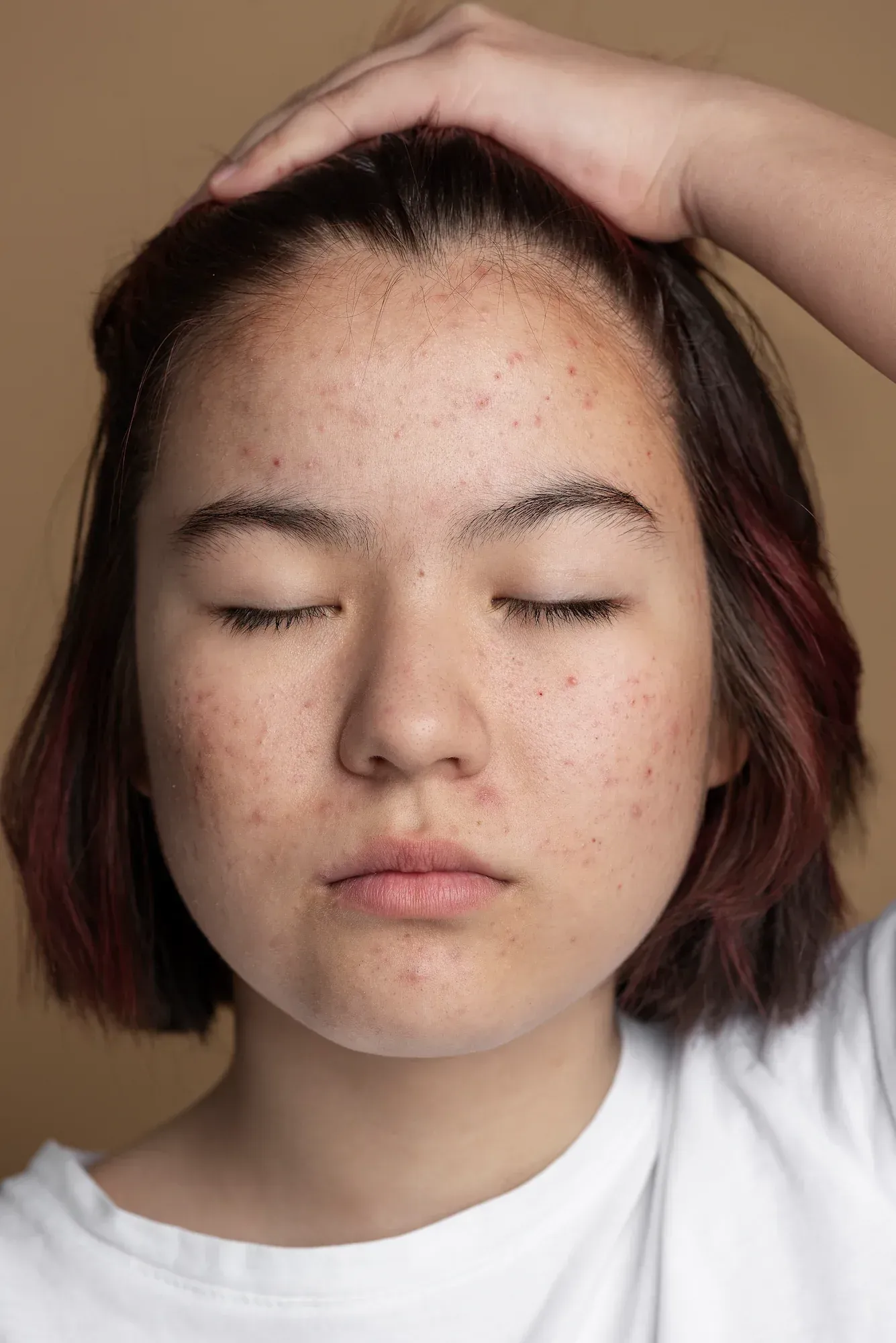
Person examining acne scars in mirror at Resurgent Health Fargo

Acne Scar Treatment in Fargo, ND: Microneedling to Smooth Texture and Even Skin Tone

Common In:Teens to Adults 40+
Primary Causes:Inflammatory Acne, Genetics, Delayed Care
Treatment Time:45-60 minutes
Results:Visible in 4-12 weeks
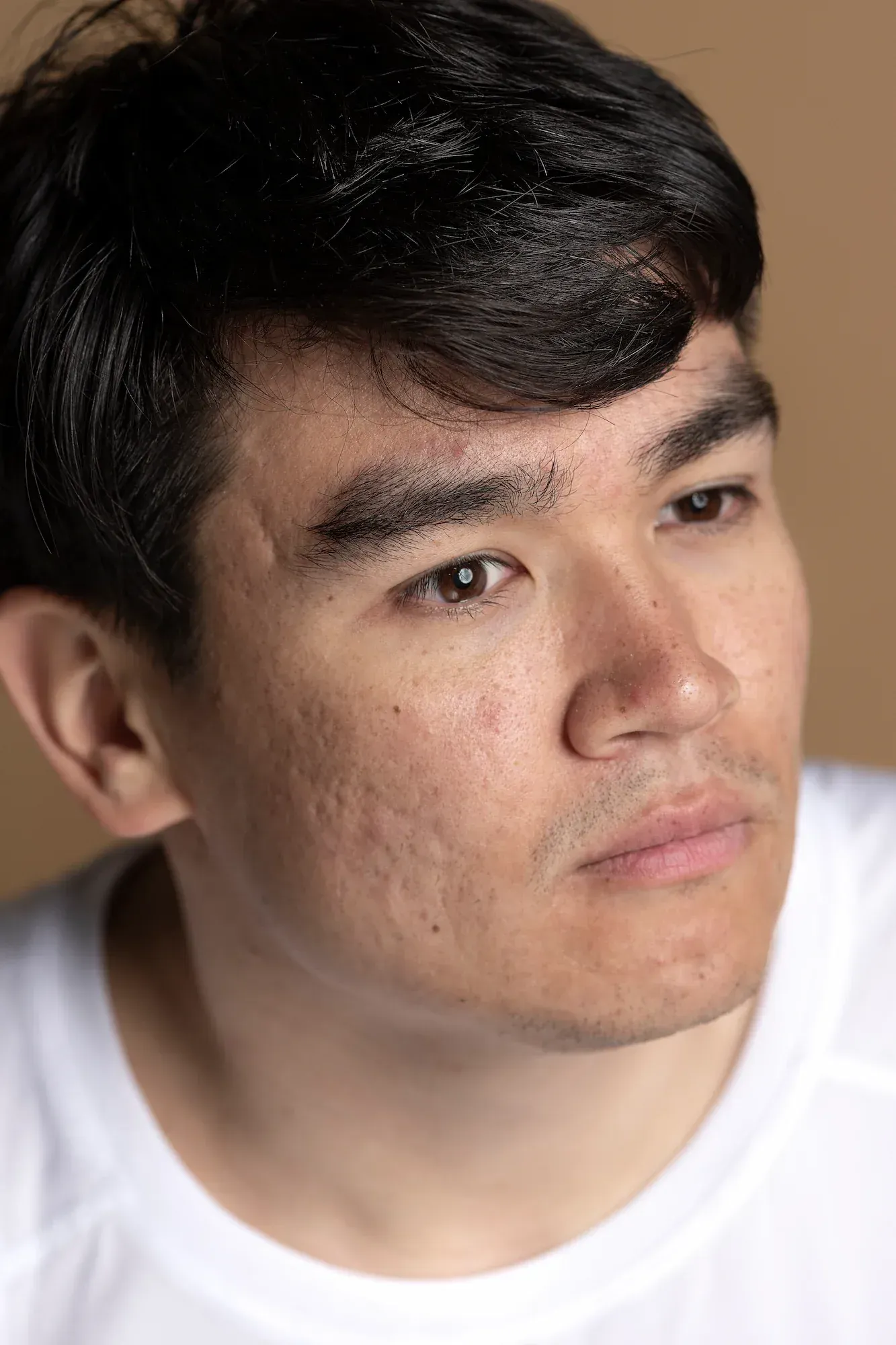
Close-up view of atrophic acne scarring at Resurgent Health Fargo

What Is Acne Scarring?

Recognizing the Signs

Acne scarring refers to permanent textural and pigmentary changes in the skin that develop after inflammatory acne lesions damage the dermis. These scars fall into two broad categories: atrophic (depressed) scars, which include icepick, boxcar, and rolling types, and hypertrophic or keloid (raised) scars.

When you look in the mirror and notice small pits, uneven divots, or persistent dark marks where breakouts once healed, you're seeing the lasting footprint of past inflammation. These changes can appear months or even years after the original acne has cleared.

Many patients in Fargo describe the frustration of clearing their acne only to be left with a face that still feels rough, shadowed, or uneven in photos. Acne scars can affect confidence in ways that active acne never did, precisely because they don't fade on their own.

Illustration of collagen remodeling in acne-scarred skin at Resurgent Health Fargo

Why Acne Scars Form

Understanding the Root Causes

Acne scars develop when inflammatory acne, particularly cystic and nodular lesions, penetrates deep into the dermis and damages the collagen network that gives skin its structure. When the body attempts to repair this damage, it can either produce too little collagen, resulting in atrophic depressions, or too much, resulting in raised hypertrophic scars.

According to the American Academy of Dermatology, early and consistent acne treatment is the most effective way to prevent scarring, because scars form during the wound-healing response to sustained inflammation. Once collagen has been lost or laid down disorganized, topical products alone cannot restore the original architecture.

Treatments that trigger controlled collagen remodeling, such as microneedling, work by creating microscopic channels in the skin that initiate a healing cascade. This process gradually rebuilds a healthier collagen matrix beneath the scar, softening its appearance over a series of sessions.
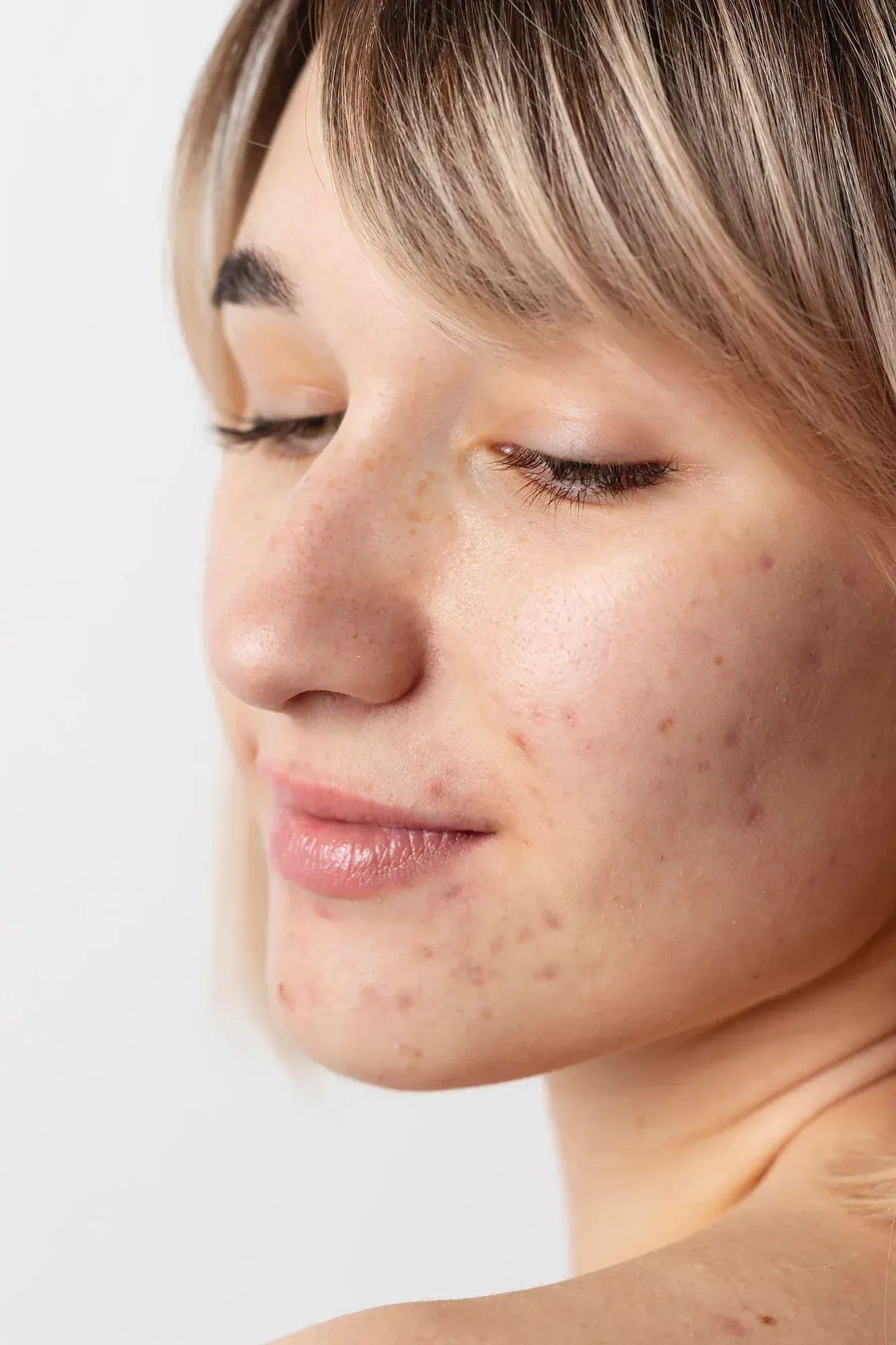

Diagram showing icepick, boxcar, and rolling acne scars at Resurgent Health

Scar Types and Why They Behave Differently

How Scar Depth Affects Treatment Response

Not all acne scars respond the same way to treatment. Icepick scars are narrow, deep punctures that reach into the reticular dermis, making them the most stubborn to improve. Boxcar scars have sharper, more defined edges and moderate depth. Rolling scars produce a wavy, undulating surface caused by fibrous tethers pulling the skin downward from below.

Post-inflammatory hyperpigmentation (PIH) is technically not a scar but a pigment change, appearing as flat brown, red, or purple marks where a pimple healed. PIH often resolves on its own over months, but it can be accelerated with topical retinoids, vitamin C, and consistent sun protection through medical-grade skincare.

Realistic expectations are essential: published clinical studies consistently report 30-70% improvement in atrophic scarring after a series of collagen-induction treatments. Deep icepick scars typically respond less than shallow rolling scars, which is why an in-person assessment matters before committing to a treatment plan.

What Increases Your Risk of Acne Scarring?

Several interconnected factors accelerate the development of acne scars, often working together during the active acne phase to determine how the skin will heal.

Severity of Acne

Cystic and nodular acne penetrates deeply into the dermis, damaging collagen and dramatically increasing the likelihood of permanent scarring.

Delayed Treatment

The longer inflammatory acne persists untreated, the more time the immune response has to disrupt healthy collagen architecture.

Picking and Squeezing

Manipulating active lesions pushes inflammation deeper and disrupts natural wound healing, worsening final scar depth and pigmentation.

Genetic Predisposition

Family history of acne scarring influences how your skin responds to inflammation and whether scars will be atrophic or hypertrophic.

Skin Tone

Deeper skin tones are more prone to post-inflammatory hyperpigmentation, while some skin types are more susceptible to raised keloid scars.

Sun Exposure

UV radiation darkens post-inflammatory pigmentation and slows the fading of red or brown marks left by healed breakouts.

Resurgent Health clinic interior in Fargo North Dakota

Why Choose Resurgent Health for Acne Scar Treatment Care in Fargo, ND

Expert Care in Fargo

  • Physician-Led Assessment
  • Unhurried Consultations
  • Transparent Pricing
  • Coordinated Skincare Support

Treatment Options Comparison

Finding Your Best Approach

Treatment Best For Session Time Results Timeline Maintenance
Medical-Grade Skincare Pigmentation and prevention Daily routine 4-8 weeks Ongoing
Dermaplaning Surface smoothing and glow 30-45 min Immediate Every 4-6 weeks
Microneedling Atrophic scars and texture 45-60 min 4-12 weeks per series 3-6 sessions, then annual
Person concerned about acne scars consulting a provider at Resurgent Health Fargo

You May Be Experiencing Acne Scarring If...

Recognizing When to Seek Help

  • Persistent Skin Texture
  • Visible Divots or Depressions
  • Dark Marks After Breakouts
  • Makeup Sits Unevenly
  • Confidence Impact After Acne
  • Home Products Have Plateaued

Frequently Asked Questions

How many microneedling sessions will I need to see improvement in my acne scars?

Most patients need a series of 3 to 6 microneedling sessions spaced 4 to 6 weeks apart. Visible smoothing of atrophic scars typically develops between weeks 4 and 12 as new collagen matures beneath the treated area.

Can microneedling completely remove my acne scars?

Microneedling softens and shallows atrophic scars rather than erasing them entirely. Published studies report 30 to 70 percent improvement is typical, with rolling scars responding best and deep icepick scars responding least.

How do I know if my dark spots are scars or just pigmentation?

Flat brown, red, or purple marks that healed smoothly are post-inflammatory hyperpigmentation, not true scars. These often fade with topical retinoids, vitamin C, and sunscreen. True scars have textural change you can feel with your fingertip.

Can I prevent new acne scars from forming?

Yes. Treating inflammatory acne early, avoiding picking, and daily sun protection are the three most effective preventive steps. Consistent medical-grade skincare with a retinoid can also reduce the pigmentation left behind by healed breakouts.

Is microneedling safe for all skin tones?

Microneedling is generally considered safer than laser resurfacing for deeper skin tones because it does not rely on heat or light energy that can trigger pigmentation changes. Dr. Martens will confirm suitability during your consultation.

What should my at-home skincare look like between sessions?

A gentle cleanser, a topical retinoid (once tolerated), a vitamin C antioxidant serum in the morning, and broad-spectrum SPF 30 or higher daily. This regimen supports the collagen remodeling triggered by each microneedling session.

How long after my acne is under control should I wait to treat scars?

Most providers recommend waiting until active inflammatory acne has been calm for at least 3 to 6 months. Treating scars during active breakouts can worsen inflammation and delay results, so timing the start of treatment matters.

Contact Us Today

Send us a message for more information - DPC membership, a discovery call, or any other service you'd like to ask about.

Scientific References