

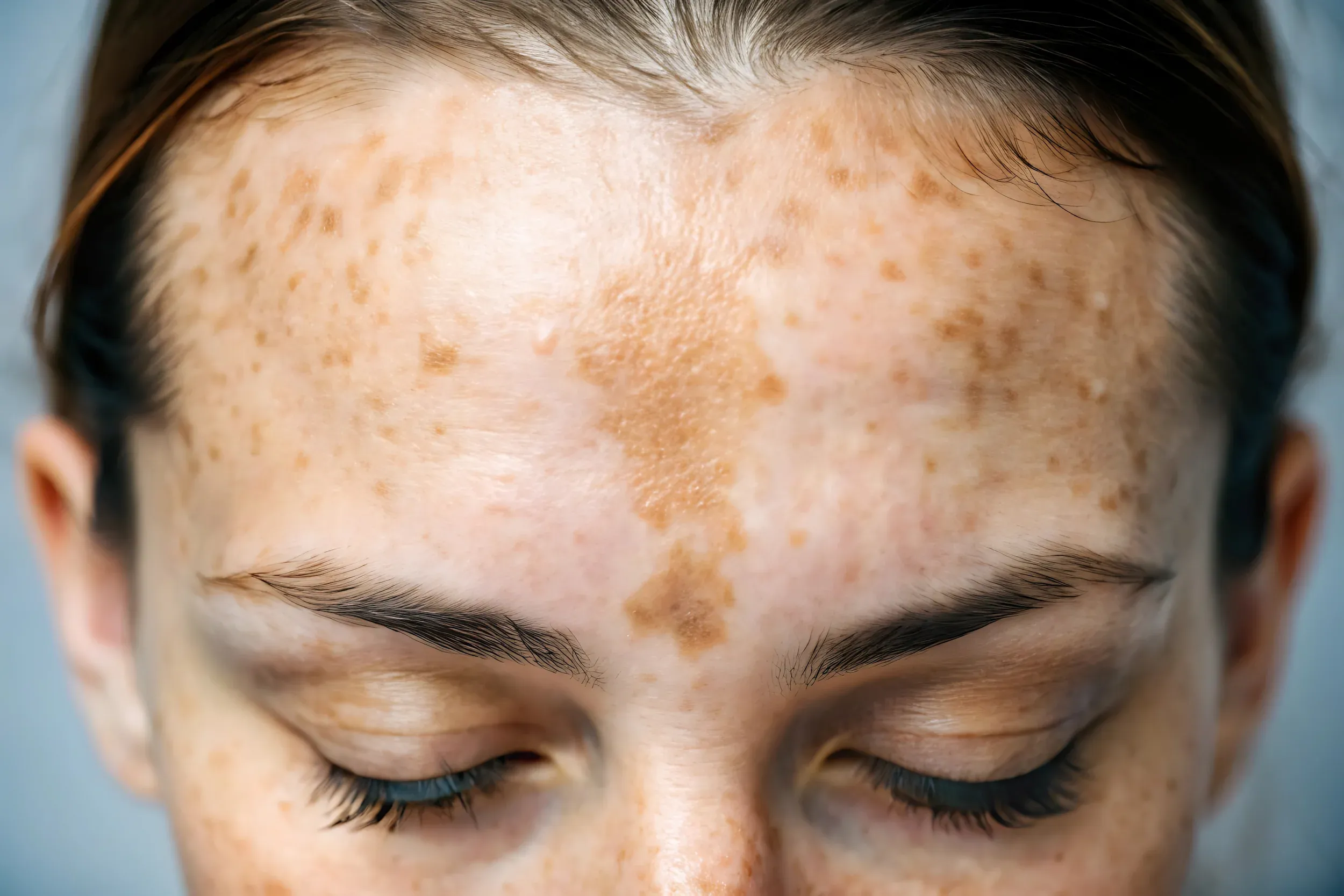
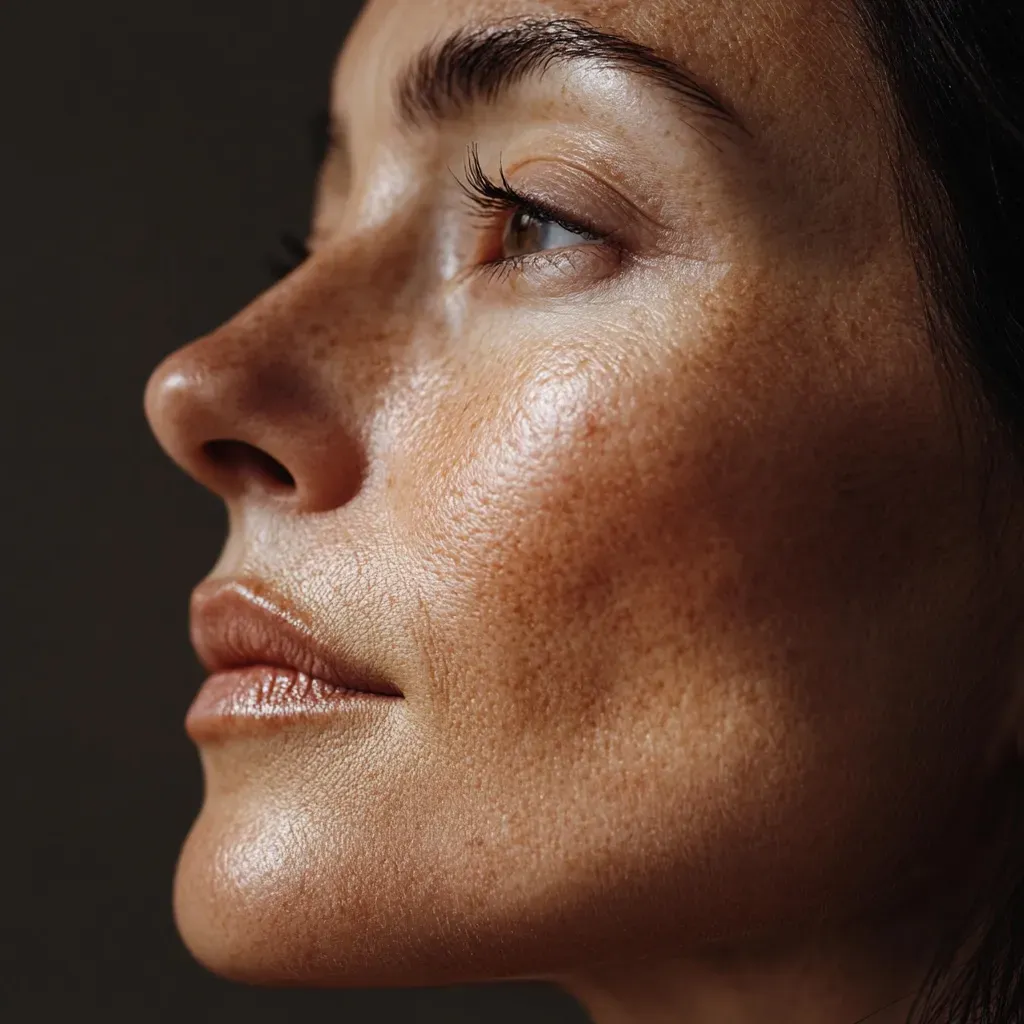

Person examining uneven skin tone in mirror at Resurgent Health Fargo

Uneven Skin Tone Treatment in Fargo, ND: Dermaplaning and Skincare for a Brighter Complexion

Common In:Adults 25+
Primary Causes:Sun Damage, Hormones, PIH
Treatment Time:30-60 minutes
Results:Immediate to 12 weeks
Close-up view of uneven pigmentation and dullness at Resurgent Health Fargo

What Is Uneven Skin Tone?

Recognizing the Signs

Uneven skin tone is a broad term for a complexion that shows a mix of hyperpigmentation, persistent redness, dullness, and textural irregularity across the face. It reflects a disruption in melanin distribution, barrier function, and cellular turnover rather than a single isolated condition.

When you look in the mirror and notice brown patches on the cheeks, red flushing around the nose, or a general lack of clarity that no amount of makeup fully covers, you are seeing the visible signature of uneven tone. These changes tend to develop slowly and become more noticeable in natural light or photographs.

Many patients in Fargo describe feeling like their skin has lost its clarity, appearing tired or blotchy even when they feel rested. Uneven skin tone can be one of the most persistent complexion concerns because it involves several biological processes at once, each responding to different types of treatment.

Illustration of melanin distribution and cellular turnover in uneven skin at Resurgent Health Fargo

Why Uneven Skin Tone Happens

Understanding the Root Causes

Healthy, even-toned skin depends on balanced melanin production and an efficient cellular turnover cycle that completes every 28 days on average. When melanocytes are overstimulated by UV radiation, hormones, or inflammation, they release excess pigment into the surrounding skin, creating dark patches that persist long after the trigger has resolved.

The American Academy of Dermatology identifies sun exposure, hormonal shifts, and post-inflammatory hyperpigmentation from acne as the three most common drivers of pigmentary unevenness. At the same time, dehydration and slowed cell turnover cause dead cells to accumulate on the surface, scattering light and creating a dull, patchy appearance.

Treatments that combine surface exfoliation with pigment-targeting ingredients work best. In-office dermaplaning immediately removes dead skin and vellus hair, while a consistent regimen of medical-grade skincare gradually rebalances melanin production and reinforces the barrier over 4 to 12 weeks.


Diagram showing melanocytes, capillaries, and barrier layers at Resurgent Health

Melanin, Redness, and Barrier Function

How Multiple Systems Create Uneven Tone

Uneven skin tone rarely involves just one process. Melanocytes, the pigment-producing cells in the basal layer of the epidermis, respond to UV light, inflammation, and estrogen by producing more melanin. When that pigment is deposited unevenly, it creates the brown patches of melasma, sunspots, and post-inflammatory hyperpigmentation (PIH) that follows acne or irritation.

Persistent redness comes from a different pathway. Dilated superficial blood vessels, often driven by chronic sun damage or barrier disruption, create the diffuse pink or red background common in mature or reactive skin. According to the National Institute of Arthritis and Musculoskeletal and Skin Diseases, a compromised skin barrier amplifies both pigmentary and vascular concerns by allowing more environmental damage to reach deeper layers.

This is why layered treatment matters. Dermaplaning and microneedling address surface texture and stimulate healthier cell turnover, while topical vitamin C, tranexamic acid, retinoids, and daily sunscreen work on the underlying pigmentation and barrier function over time. Treating one system without the others typically produces disappointing results.

What Accelerates Uneven Skin Tone?

Several interconnected factors accelerate the development of uneven skin tone, often working together to disrupt pigment balance, hydration, and surface texture at the same time.

Cumulative Sun Exposure

UV radiation stimulates melanocytes to produce excess pigment and remains the single largest driver of sunspots, freckling, and general dullness.

Hormonal Changes

Pregnancy, oral contraceptives, and perimenopause can trigger melasma, a stubborn form of hyperpigmentation across the cheeks and forehead.

Post-Inflammatory Pigmentation

Acne, eczema, or any inflammatory event can leave behind brown or red marks that persist for months after the original lesion has healed.

Dehydration and Slow Turnover

When skin is dehydrated, dead cells build up on the surface and scatter light unevenly, creating a patchy, lackluster appearance.

Aging and Cell Renewal

Natural aging slows cellular turnover and reduces the skin's ability to shed pigmented cells, so old damage becomes more visible over time.

Harsh Products or Overexfoliation

Aggressive scrubs, high-strength acids used incorrectly, or irritating actives can damage the barrier and paradoxically worsen pigmentation.

Resurgent Health clinic interior in Fargo North Dakota

Why Choose Resurgent Health for Uneven Skin Tone Treatment Care in Fargo, ND

Expert Care in Fargo

  • Physician-Led Assessment
  • Unhurried Consultations
  • Transparent Wholesale Pricing
  • Integrated Skincare Support

Treatment Options Comparison

Finding Your Best Approach

Treatment Best For Session Time Results Timeline Maintenance
Dermaplaning Immediate brightness and smoothness 30-45 min Immediate Every 4-6 weeks
Medical-Grade Skincare Pigmentation and daily maintenance Daily routine 4-12 weeks Ongoing
Microneedling Deeper texture and tone concerns 45-60 min 4-12 weeks per series 3-6 sessions, then annual
Person concerned about uneven skin tone consulting a provider at Resurgent Health Fargo

You May Be Experiencing Uneven Skin Tone If...

Recognizing When to Seek Help

  • Persistent Dark Patches
  • Sunspots and Freckling
  • Lingering Marks After Acne
  • General Dullness
  • Rough or Patchy Texture
  • Redness and Blotchiness

Frequently Asked Questions

How quickly will I see a brighter complexion after dermaplaning?

Most patients notice a visible brightness and smoother makeup application immediately after their first dermaplaning session. This is because dead skin cells and fine vellus hair are removed, allowing light to reflect more evenly off the surface.

Which is better for uneven tone, dermaplaning or medical-grade skincare?

They work best together. Dermaplaning delivers immediate brightness, while medical-grade skincare with vitamin C, retinoids, and tranexamic acid gradually corrects underlying pigmentation over 4 to 12 weeks. Most patients benefit from combining the two.

Can I prevent uneven skin tone from getting worse?

Yes. Daily broad-spectrum SPF 30 or higher is the single most effective preventive step, since UV exposure is the largest driver of pigmentation. Consistent use of antioxidants and avoiding picking at breakouts also helps limit new discoloration.

How is melasma different from regular hyperpigmentation?

Melasma is a hormonally influenced form of hyperpigmentation that tends to appear as symmetrical brown patches on the cheeks, forehead, or upper lip. It is more stubborn than sunspots and often requires targeted ingredients like tranexamic acid alongside sun protection.

When should I consider microneedling instead of dermaplaning?

Microneedling is a stronger option when uneven tone is combined with textural concerns such as acne scarring, enlarged pores, or fine lines. It stimulates collagen and gradually evens both texture and pigmentation over a series of sessions.

Is dermaplaning safe for all skin tones?

Dermaplaning is generally considered safe across skin tones because it is mechanical rather than heat or light-based. Dr. Martens will confirm suitability during your consultation, particularly for anyone with active acne or very sensitive skin.

What should my at-home skincare look like between visits?

A gentle cleanser, vitamin C serum in the morning, a retinoid at night once tolerated, and daily broad-spectrum SPF 30 or higher. Adding tranexamic acid or niacinamide can further help patients with persistent pigmentation.

How does this connect to sun damage?

Cumulative sun exposure is the largest driver of uneven tone, so many patients also benefit from reviewing our approach to sun damage. The core preventive strategy, daily SPF and antioxidants, applies to both concerns.

Contact Us Today

Send us a message for more information - DPC membership, a discovery call, or any other service you'd like to ask about.

Scientific References