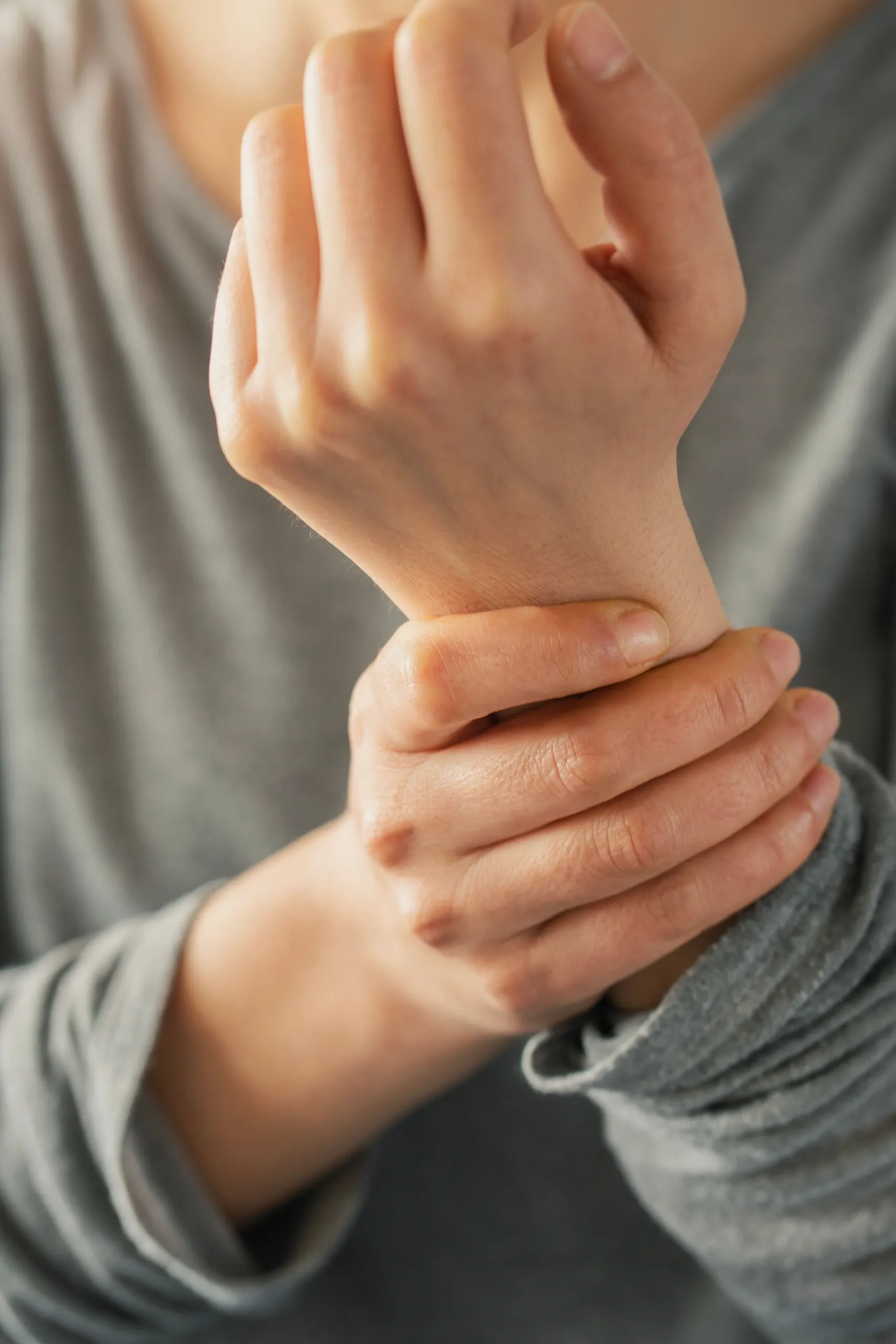


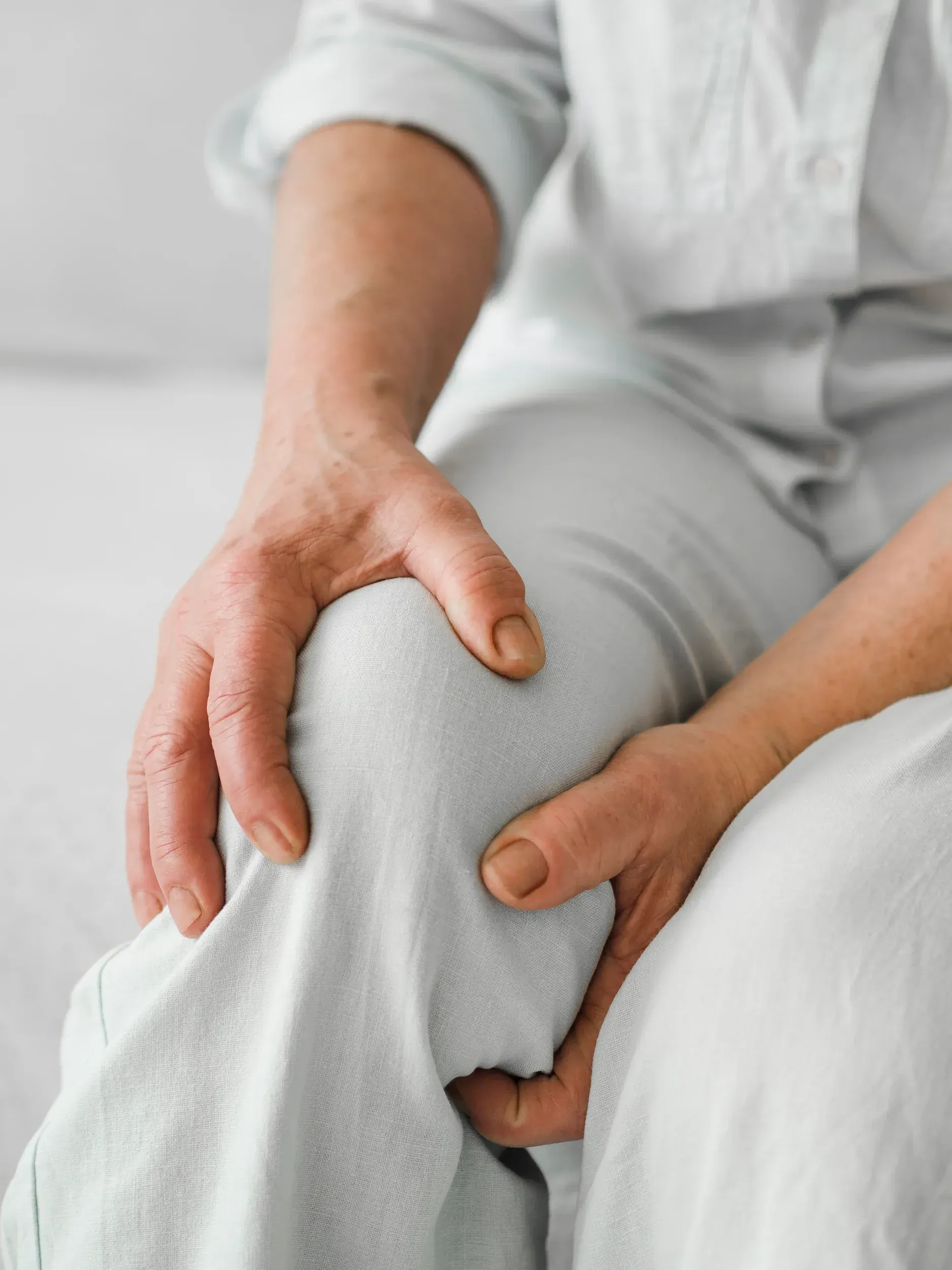
Adult patient holding a stiff knee before joint pain treatment at Resurgent Health Fargo

Joint Pain Treatment in Fargo, ND: Hands-On Osteopathic Therapy for Mobility and Comfort

Common In:Adults 40+
Primary Causes:Osteoarthritis, Overuse, Imbalance
Treatment Time:30-45 minutes
Results:Immediate to 4 weeks
Close-up of an adult patient's knee joint at Resurgent Health Fargo

What Is Joint Pain?

Recognizing the Signs

Joint pain refers to discomfort, aching, or soreness in any of the body's articulations, most commonly the shoulders, hips, knees, and wrists or hands. It can stem from cartilage wear, inflammation of the joint lining, tendon or bursa irritation, or muscular imbalance around the joint that concentrates load on a small area of tissue.

When you notice a knee that catches on the stairs, a shoulder that will not reach the seatbelt, or hands that feel stiff for the first hour of the morning, you are experiencing the early signals of joint dysfunction. These moments are your body reporting that motion, load, and tissue health are out of balance.

Many patients describe the impact as a slow narrowing of daily life: skipped walks, avoided lifts, shorter drives, and disrupted sleep. Joint pain is common, treatable, and rarely requires surgery when addressed early with the right hands-on care and movement support.

Illustration of a healthy joint capsule and cartilage at Resurgent Health Fargo

Why Joint Pain Happens

Understanding the Root Causes

The most common driver of chronic joint pain is osteoarthritis, a gradual thinning of the cartilage that cushions the ends of bones. As cartilage wears, bones transmit load less evenly, the joint capsule becomes irritated, and the surrounding muscles guard against motion. The National Institute of Arthritis and Musculoskeletal and Skin Diseases notes that osteoarthritis affects roughly 32 million U.S. adults and is the leading cause of disability from joint disease.

Inflammatory conditions like rheumatoid arthritis, bursitis, and tendinitis follow a different pattern: the immune system or a repetitive strain irritates the soft tissues in and around the joint, producing swelling, warmth, and stiffness that is often worse after rest. Rheumatoid and other autoimmune arthritis usually require rheumatology co-management for disease-modifying therapy.

Muscle imbalance is a quieter but common contributor. When one muscle group is chronically tight and its counterpart is weak, the joint sits off-center and glides poorly through its range. Restoring joint mechanics through muscle energy technique and targeted soft tissue work can offload irritated cartilage and calm the reactive muscles guarding the area.

Diagram of joint capsule ligaments and surrounding muscles at Resurgent Health Fargo

Cartilage, Capsule, and Muscle Guarding

How Structure Affects Function

Cartilage is an avascular tissue: it has no blood supply and depends on gentle, repeated joint motion to draw in nutrients and clear waste. When a joint stops moving through its full range, cartilage health declines and the surrounding capsule tightens, which further limits motion. This is why gentle, guided movement is central to any recovery plan.

The joint capsule and its ligaments contain dense sensory nerves. When the capsule is stretched, compressed, or inflamed, those nerves broadcast a pain signal that also triggers a protective spasm in the surrounding muscles. Over time this protective pattern outlives the original injury, keeping the joint stiff and sore even after the initial insult has healed.

Chronic muscle guarding creates its own problem: tight, ischemic tissue that pulls the joint out of alignment. Techniques such as myofascial release unwind those layers of fascial restriction so the joint can decompress, glide smoothly, and be retrained with home exercise.

What Accelerates Joint Pain?

Several interconnected factors accelerate joint wear and irritation, often working in combination to shorten pain-free range and prolong recovery between flare-ups.

Age-Related Wear

Cartilage thins and joint fluid volume decreases with age, most noticeably in weight-bearing joints like the knees and hips.

Repetitive Overuse

Work tasks, sports, and hobbies that load the same joint in the same pattern can irritate tendons, bursae, and cartilage over time.

Prior Injury

A previous sprain, dislocation, or surgery changes joint mechanics and raises the long-term risk of degenerative change in that joint.

Muscle Imbalance

Tight hip flexors, weak glutes, or a rounded shoulder posture can shift load onto a small area of cartilage and drive pain.

Excess Body Weight

Each pound of body weight adds several pounds of force through the knees and hips during walking and stair climbing.

Systemic Inflammation

Autoimmune conditions, poor sleep, and high refined-sugar diets can raise baseline inflammation and amplify joint symptoms.

Resurgent Health clinic interior in Fargo North Dakota

Why Choose Resurgent Health for Joint Pain Care in Fargo, ND

Expert Care in Fargo

  • Osteopathic Assessment
  • Hands-On OMT
  • Real Time With Your Doctor
  • Injections When Needed

Treatment Options Comparison

Finding Your Best Approach

Treatment Best For Session Time Results Timeline Maintenance
Muscle Energy Technique Restoring joint range and glide 30-45 min Same-day to 2 weeks As needed
Myofascial Release Releasing tight tissue around joint 30-45 min Same-day to 2 weeks As needed
Counterstrain Therapy Calming acute joint pain flares 30-45 min Immediate to 1 week As needed
Therapeutic Injections Persistent osteoarthritis flares 15-20 min 3 to 7 days Every 3-6 months
Adult patient discussing joint pain with Dr. Martens at Resurgent Health Fargo

You May Be Experiencing Joint Pain If...

Recognizing When to Seek Help

  • Morning Stiffness
  • Pain With Load
  • Reduced Range
  • Clicking or Catching
  • Weather Sensitivity
  • Sleep Disruption

Frequently Asked Questions

Do I need imaging like an X-ray or MRI before treatment?

Not always. Dr. Martens performs a thorough hands-on exam and orders imaging only when it will change the plan, such as after significant trauma, a locked joint, or when symptoms do not respond to conservative care.

Which joints respond best to osteopathic treatment?

Shoulders, hips, knees, wrists, and small joints of the hand and foot all respond well. OMT can improve range, reduce guarding, and offload irritated cartilage, especially when combined with a simple home exercise plan.

How is joint pain treatment different from a massage?

Osteopathic manipulative therapy is a diagnostic and therapeutic exam by a physician. Dr. Martens tests specific motions, identifies the restricted joint or tissue, and treats it with targeted techniques rather than general relaxation work.

When are steroid joint injections a good option?

Corticosteroid joint injections can quiet a stubborn osteoarthritis flare or a painful bursitis that has not responded to hands-on care. For eligible members, Dr. Martens can perform these injections in-office as part of the treatment plan.

When do I need a specialist like orthopedics or rheumatology?

A specialist referral is appropriate for suspected rheumatoid or other autoimmune arthritis, meniscal tears with mechanical locking, advanced arthritis being considered for joint replacement, or fractures. Dr. Martens coordinates these referrals directly.

Can joint pain and back pain be related?

Yes. Hip stiffness commonly drives low back pain, and a stiff mid-back can overload the shoulders. Many patients benefit from combining joint care with an evaluation for our back pain treatment plan.

How many visits will I need?

Most patients notice meaningful improvement within two to four visits. Chronic or degenerative joints may need a short course of care followed by periodic tune-ups every few months to maintain mobility.

Contact Us Today

Send us a message for more information - DPC membership, a discovery call, or any other service you'd like to ask about.

Scientific References